
City of New Albany Secures Over $5 Million in Funding for Major Roadway and Infrastructure Project
/
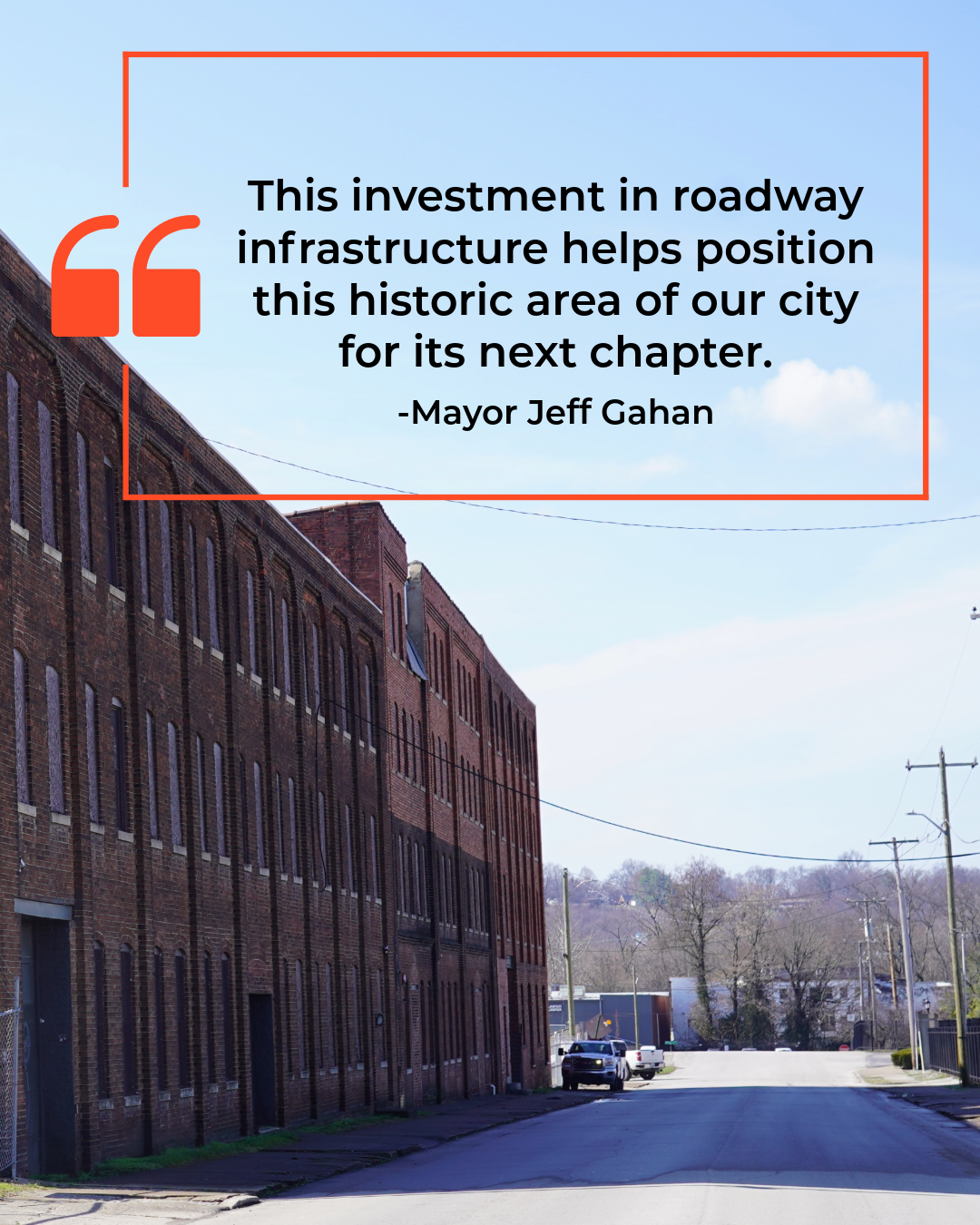
“We are thrilled to receive over $5 million in funding that will go towards major infrastructure upgrades in one of New Albany’s historic industrial corridors,” stated Mayor Jeff Gahan. “This investment in roadway infrastructure helps position this historic area of our city for its next chapter. I want to thank the members of the Regional Development Authority for their help in expediting this funding so we can jump-start the road and stormwater improvements this spring.”
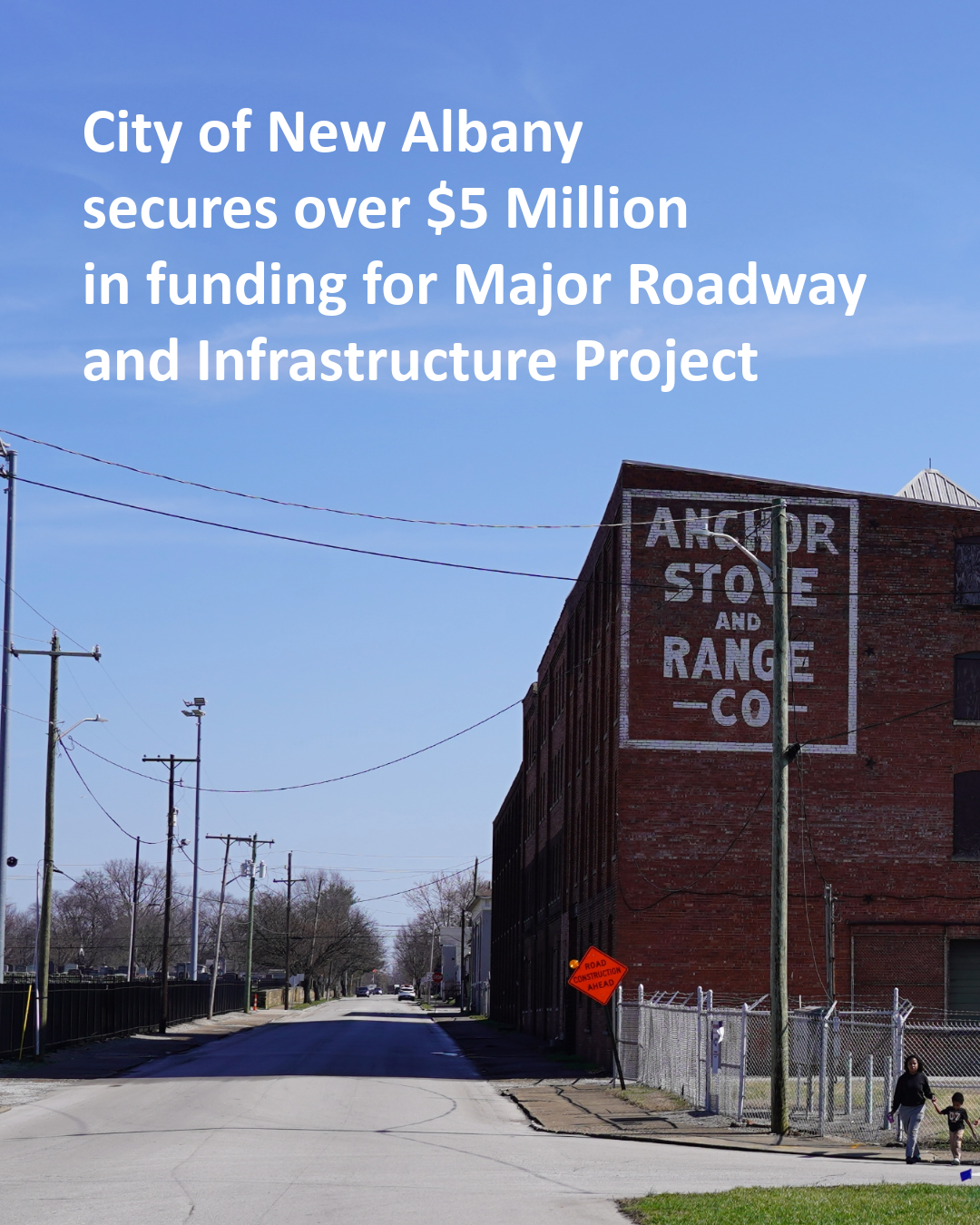
The City of New Albany was recently awarded over $5 million of Regional Economic Acceleration and Development Initiative (READI) funding to support major infrastructure and roadway improvements that will unlock new development opportunities in one of the city’s historic industrial corridors. Best of all, most of this project is being covered by this grant from READI.
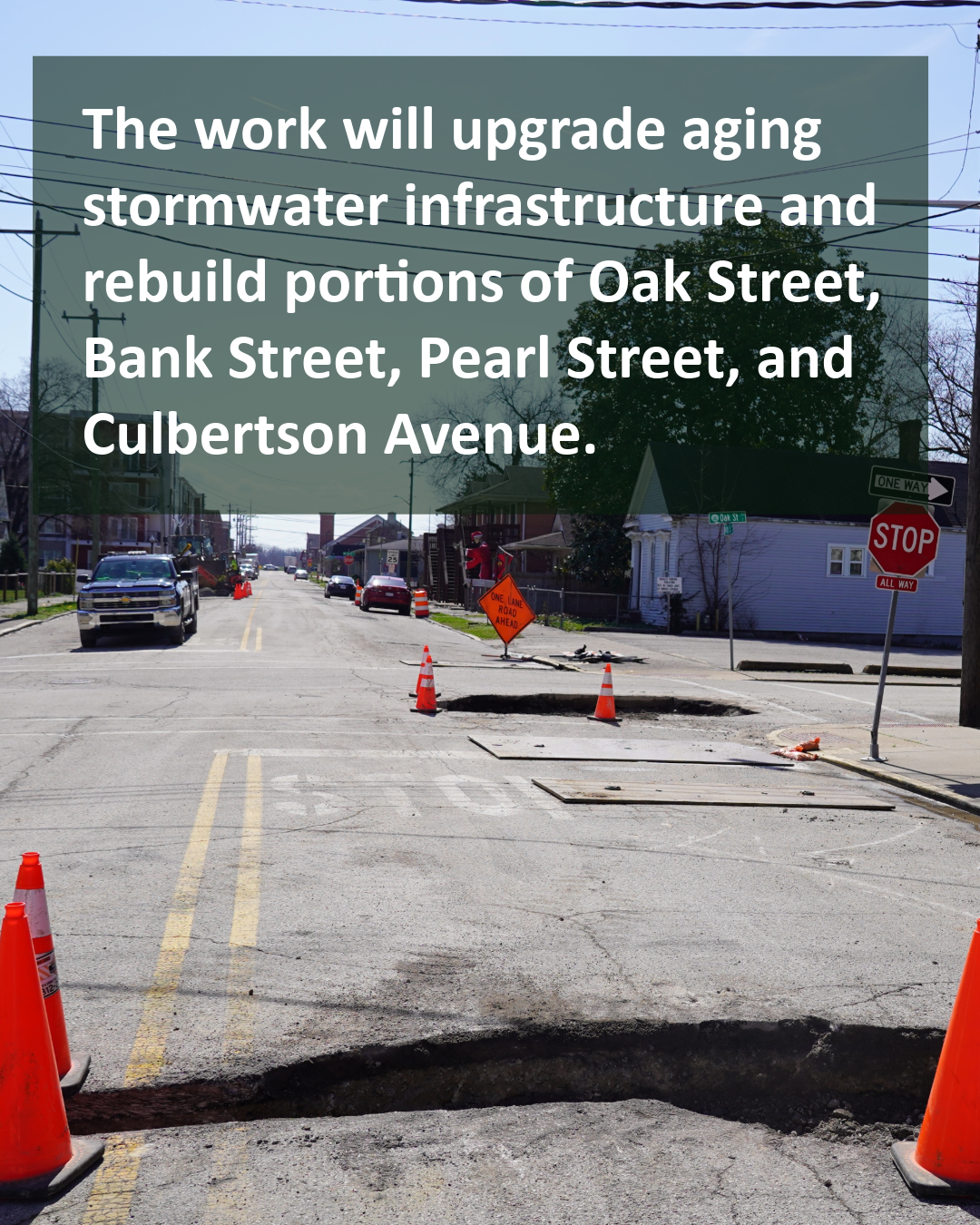
The work will upgrade aging stormwater infrastructure and rebuild portions of Oak Street, Bank Street, Pearl Street, and Culbertson Avenue. Completion of the project will modernize drainage capacity, improve traffic flow and safety, and remove significant barriers for new investment in the area.
These improvements to the roadway and surrounding drainage infrastructure are critical steps towards potentially transforming underutilized industrial properties into modern uses.
For years, aging infrastructure beneath these blocks has limited redevelopment opportunities. With this roadway and infrastructure project moving forward, the city expects to unlock new possibilities for housing, businesses, and other investments while preserving the historic character that makes this area so special.
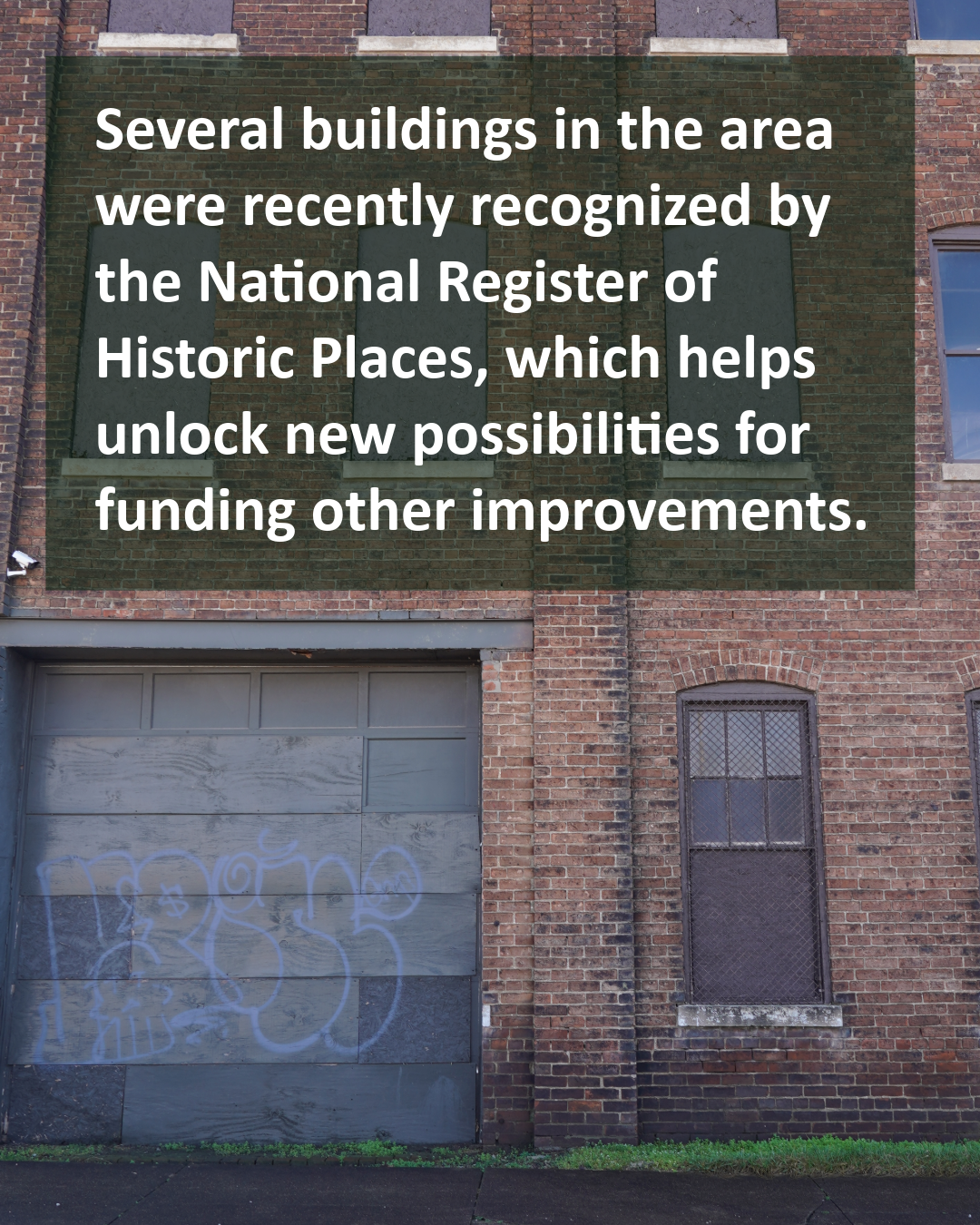
In addition to the infrastructure investment, several buildings in the area were recently recognized as part of the “Northside Industrial Historic District,” which was officially listed on the National Register of Historic Places earlier this year. The designation recognizes the historic significance of the district’s industrial buildings and opens the door for historic preservation incentives that can support future redevelopment and adaptive reuse of these properties.